



What are the differences between UI, UX, and product experience?
In internet companies, if you're interested in design, you must have often heard these terms: UI, UX, and Product Experience Design. They sound very similar, and some companies even use them interchangeably, but in reality, they refer to different aspects of design work. Today, starting from the perspective of UI design, let's explore the relationship between these three concepts and what you need to know as a UI designer.
I. UI Design: The "Aesthetic Representative" of a Product
UI is short for User Interface, known as "User Interface Design" in Chinese. Simply put, a UI designer is the person responsible for "drawing" the product to life.
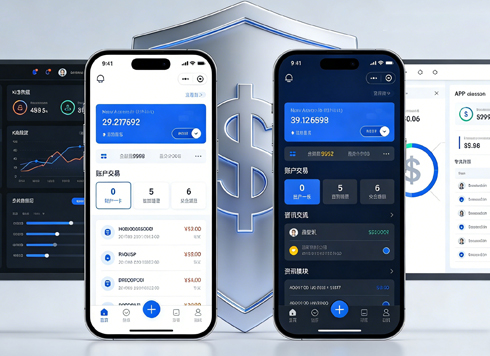
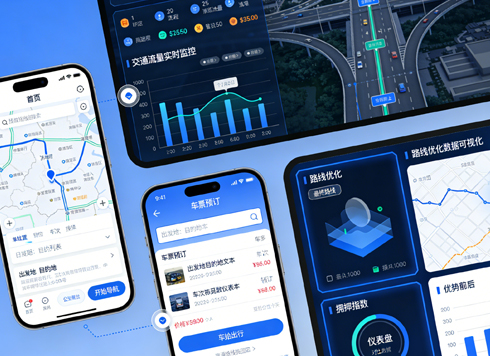
In the development process of an App, after the product manager completes the Product Requirements Document (PRD) and the interaction designer draws the wireframes (prototypes), it's the UI designer's turn to step in. Armed with these sketches, the UI designer begins creating the visual layer:
-
Color Scheme: What colors make the interface visually pleasing while aligning with the brand tone?
-
Icons & Graphics: Every button and icon is meticulously crafted to ensure clarity and aesthetics.
-
Typography: Text size, spacing, and alignment are all optimized for visual appeal.
-
Detailed Textures: Shadows, rounded corners, gradients, animations... These elements that "bring the interface to life" are all created by UI designers.
The final deliverable of a UI designer is a high-fidelity visual mockup — the polished interface users ultimately see on their phones. It can be said that UI designers directly shape the first impression of a product. Whether users find an App visually appealing and usable upon opening it largely depends on UI design.
II. UX Design: The "Usage Experience" of a Product
UX stands for User Experience, or "User Experience Design" in Chinese. Unlike UI designers who focus on the visual appearance, UX designers care about the overall experience users have while using the product: Is the operation smooth? Are task flows logical? Will users feel confused?
UX designers typically conduct user research, draw flowcharts, design information architecture, and deliver prototypes (the sketches handed over to UI designers). They focus on the product's skeleton and logic, such as: "Where should the follow button be placed for maximum clickability?" "How many steps should it take from the homepage to payment?"
In China, pure UX positions are rare; many companies assign UX tasks to interaction designers or have UI designers take on these responsibilities.
III. Product Experience Design: The "All-Rounder" in Large Companies
In recent years, some large companies have established a role called "Product Experience Designer". You can think of it as an advanced combination of UI and UX.
A Product Experience Designer not only needs UI visual design skills to create attractive interfaces but also UX logical thinking to sort out complex business processes. Additionally, they need to take a step forward — participating in the early planning of the product, such as:
-
Competitor Analysis: Studying competitors' approaches to identify strengths and weaknesses.
-
User Research: Understanding users' actual needs through interviews and questionnaires.
-
Data Analysis: After the product launch, verifying design effectiveness based on data (e.g., button click rates) and continuously optimizing it.
In other words, Product Experience Designers are not just executors but co-builders of the product.
IV. Large Companies vs. Small Companies: How Does a UI Designer's Daily Work Differ?
A UI designer's job responsibilities vary significantly across companies of different sizes.
-
In Small Companies: There is usually no dedicated interaction designer, so UI designers often wear multiple hats. Besides creating interfaces, you may need to draw prototypes yourself, or even take on additional tasks like making operational posters, PPTs, and retouching images. The scope of work is diverse, but it allows you to quickly familiarize yourself with the entire product lifecycle.
-
In Large Companies: Division of labor is more refined but also more specialized. In some teams, UI and UX roles are separate; in others, they are merged into a single "Product Experience Designer" position. Regardless of the model, UI designers in large companies need more systematic capabilities: in addition to solid visual fundamentals, they must understand user research, business analysis, and even use data to guide design decisions.
V. Summary: What's the Relationship Between the Three?
To summarize simply:
-
UI Design: Responsible for the product's "appearance" — visual presentation, making the interface beautiful and refined.
-
UX Design: Responsible for the product's "skeleton" — interaction logic, making the product easy and smooth to use.
-
Product Experience Design: A fusion and extension of UI and UX skills, requiring not only design expertise but also product and data literacy, with accountability for business outcomes.
For those looking to enter or just starting in UI design, there's no need to be intimidated by these terms. Regardless of how job titles change, solid visual fundamentals will always be your core competitiveness. On this basis, gradually understanding users and business will make your designs increasingly persuasive.
Simply put, UI is about beauty, UX is about smoothness, and Product Experience Design is about being accountable for business outcomes on top of beauty and smoothness.
-
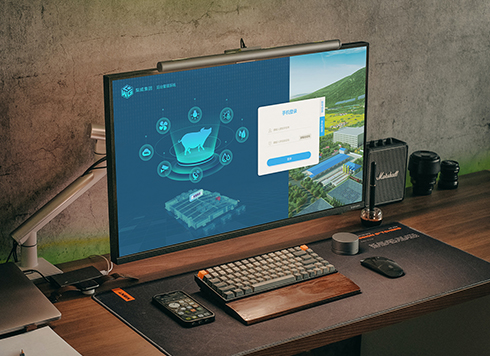 Livy Pig Farming IoT Platform UI Design
This IoT system uses sensors to monitor hog ...
-
 UI Design & Prototype for Sunwayland's ThingNet IIoT Platform
UI design and prototyping for ThingNet IIoT ...
-
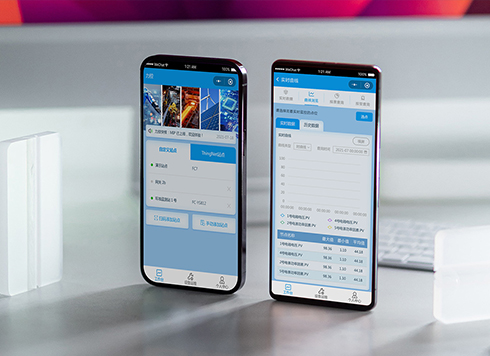 Likong Industrial IoT Tech Co., Ltd. Mini-program UI/UX Design
IIoT firms: mobile mini-program + platform. ...
-
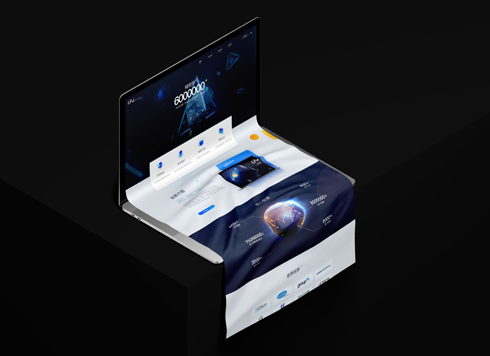 UI Design of the Internet Advertising Platform (a Sci-tech Sense Official Website)
The corporate website UI features a futuris ...
-
How Much of Your Artistic Foundation Do You Really Use in UI Design Projects?
Date: Sep 8, 2026 Read: 37
-
Dark Mode UI Design Never Looks Right: Which Comes First, Background or Text?
Date: Aug 23, 2026 Read: 48
-
Do UI Designers Need to Know Code? Where Do You Get Stuck Without It?
Date: Aug 20, 2026 Read: 58
-
Why Is the UI Still Inconsistent Even with Design Specs?
Date: Aug 17, 2026 Read: 59
-
UI Design: Why Does It Still Look Amateur When Following Basic Standards?
Date: Aug 16, 2026 Read: 53